
Pellet machine manufacturers design and build specialized equipment that transforms raw materials like wood chips, agricultural waste, and biomass into compressed pellets for fuel, animal feed, and industrial applications. These companies serve industries ranging from renewable energy to agriculture by providing both individual machines and complete production line solutions.
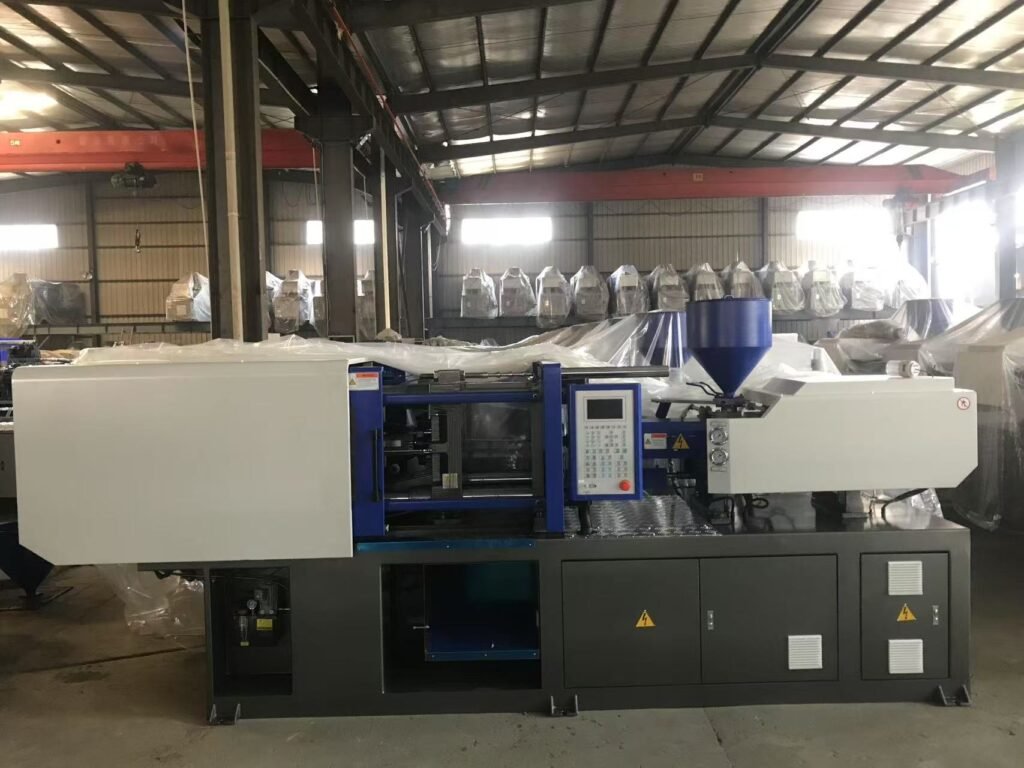
Professional pellet machine manufacturers typically offer equipment with capacities ranging from 500 kg/h to 20 tons/h, along with technical support and customization options to meet specific production requirements. The choice of manufacturer directly impacts production efficiency, equipment durability, and long-term operational costs.
Major manufacturers like CPM and RICHI provide different pellet mill types including flat die and ring die systems. Each manufacturer brings unique expertise in specific materials and applications, making the selection process important for project success.
Key Takeaways
- Pellet machine manufacturers produce equipment that converts various raw materials into compressed pellets for multiple industries
- Production capacities range from small-scale 500 kg/h units to large industrial systems producing 20 tons per hour
- Choosing the right manufacturer affects equipment performance, durability, and overall production efficiency
What Is a Pellet Machine Manufacturer?
A pellet machine manufacturer designs, produces, and sells specialized equipment that transforms raw materials into compressed pellets. These companies serve diverse industries including biomass energy, animal feed production, and fertilizer manufacturing.
Role in the Pellet Industry
Pellet machine manufacturers serve as the backbone of the global pellet production industry. They develop and produce the essential equipment needed to convert raw materials like wood chips, agricultural waste, and feed ingredients into compressed pellets.
These manufacturers provide complete solutions beyond just machines. Many leading pellet machine companies offer turnkey projects that include equipment design, installation, and technical support. This comprehensive approach helps businesses establish efficient pellet production lines.
The manufacturers also drive innovation in the industry. They continuously improve pellet making machine designs to increase efficiency, reduce energy consumption, and enhance pellet quality. This ongoing development helps meet growing global demand for pellets.
Technical support represents another crucial role. Manufacturers provide training, maintenance services, and replacement parts to ensure optimal machine performance throughout the equipment’s lifespan.
Types of Pellet Machines Produced
Manufacturers produce several distinct categories of pellet machines to meet different industry needs. Biomass pellet machines represent the largest segment, designed specifically for processing wood waste, agricultural residues, and other organic materials into fuel pellets.
Feed pellet machines form another major category. These specialized feed processing equipment can directly process corn, soybean meal, rice husks, and grass into animal feed pellets.
The main machine types include:
- Flat die pellet mills – Suitable for small-scale production
- Ring die pellet mills – Designed for large commercial operations
- Vertical pellet mills – Space-efficient designs for specific applications
Manufacturers also produce supporting equipment like hammer mills, dryers, coolers, and packaging systems. This complete equipment range allows businesses to establish fully integrated pellet production facilities.
Global Market Overview
The pellet machine manufacturing industry spans multiple continents with distinct regional strengths. China dominates global production, with companies like ABC Machinery and GEMCO Energy leading the market through competitive pricing and advanced technology.
European manufacturers focus on premium quality equipment. German companies like AMANDUS KAHL and Münch Edelstahl GmbH have established strong reputations for durable, high-performance machines since the 1970s.
North American manufacturers serve local markets with specialized solutions. Companies like Alaska Pellet Mill and Buskirk Engineering offer machines ranging from small-scale units producing hundreds of pounds per hour to large systems producing tons per hour.
The industry continues expanding as global pellet demand grows. Manufacturers increasingly focus on energy efficiency, environmental protection, and production efficiency to meet evolving market requirements.
Key Products: Types of Pellet Machines and Equipment
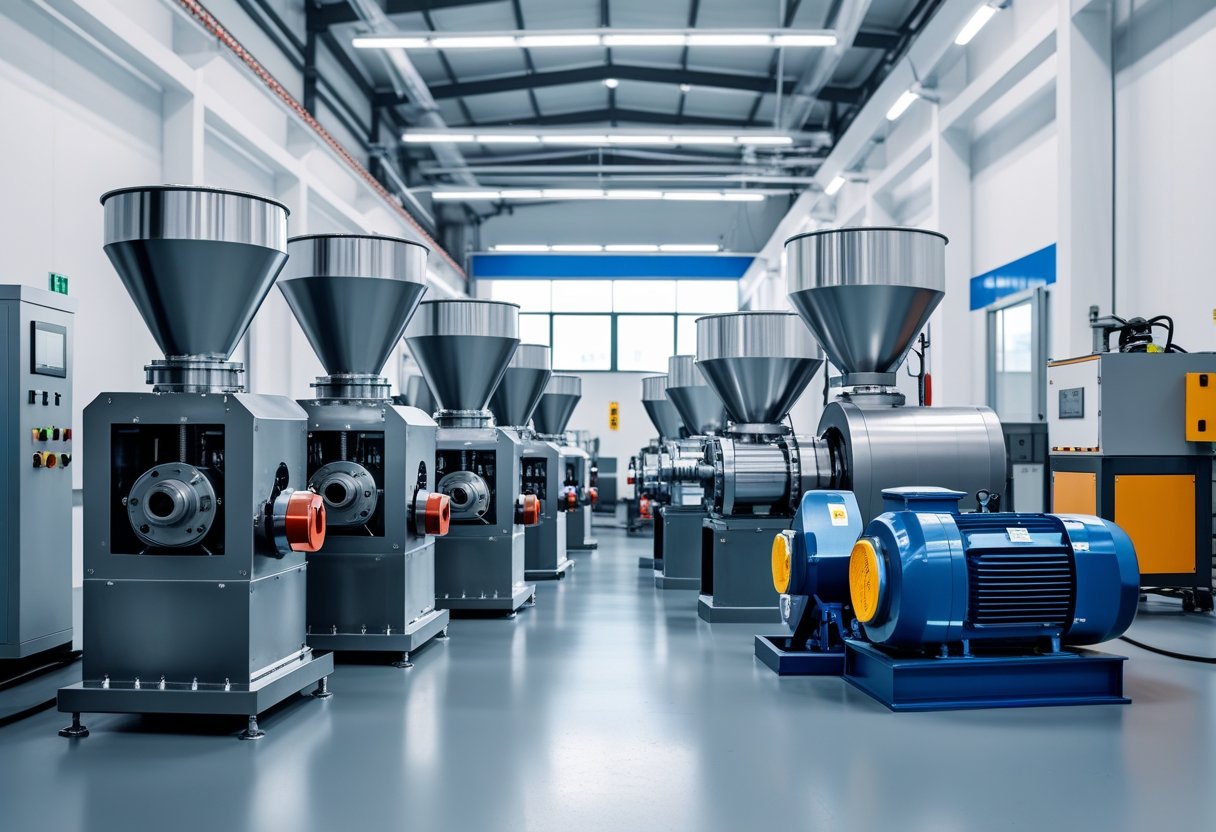
Modern pellet machine manufacturers produce specialized equipment for different materials and production scales. Various types of pellet machines include flat die and ring die systems, each designed for specific applications and output requirements.
Biomass Pellet Machines
Biomass pellet machines process organic waste materials into compressed fuel pellets. These systems handle agricultural residues, grass clippings, and other plant-based materials.
Flat Die Biomass Systems
- Capacity: 50-800 kg per hour
- Motor power: 7.5-37 kW
- Die diameter: 150-400mm
Ring Die Biomass Systems
- Capacity: 1-4 tons per hour
- Higher density pellets
- Better for commercial production
Small biomass pellet machines work well for farms and small businesses. They require less space and have lower power consumption than industrial models.
The pellet mill machine uses pressure and heat to bind materials without chemical additives. This creates clean-burning fuel pellets with consistent quality.
Wood Pellet Making Machines
Wood pellet making machines convert sawdust, wood chips, and shavings into fuel pellets. These machines require specific moisture content in raw materials for optimal pellet formation.
Key Specifications:
| Machine Type | Output | Power | Die Size |
|---|---|---|---|
| Flat Die | 100-600 kg/h | 15-37 kW | 200-400mm |
| Ring Die | 1-10 tons/h | 37-220 kW | 350-500mm |
Wood pellet machines need materials with 10-15% moisture content. Too much moisture creates weak pellets that crumble easily.
Wood pellet manufacturing equipment includes hammer mills for grinding, dryers for moisture control, and coolers for final processing. The complete production line ensures consistent pellet quality.
Ring die systems produce higher density pellets with better durability. They work better for large-scale commercial operations that need consistent output.
Animal Feed and Cattle Feed Pellet Machines
Animal feed pellet machines create nutritious pellets for livestock, poultry, and pets. These systems handle grain mixtures, protein meals, and vitamin supplements.
Feed Pellet Machine Types:
- Flat die models: Best for small farms and mixed feed production
- Ring die models: Ideal for commercial feed mills and cattle feed operations
Cattle feed production requires machines that can handle fibrous materials like hay and grass. The pellet mill machine compresses these materials into dense, digestible pellets.
Animal feed systems often include steam conditioning. This process improves pellet binding and makes nutrients more available to animals.
Production Capacities:
- Small farm units: 100-500 kg/hour
- Commercial systems: 1-20 tons/hour
Feed pellets reduce waste compared to loose feed. Animals cannot separate ingredients they prefer, ensuring balanced nutrition in every bite.
Accessory Equipment and Support Systems
Complete pellet production requires several support machines beyond the main pellet mill machine. These systems prepare materials and finish the final product.
Pre-processing Equipment:
- Hammer mills: Pulverize raw materials to proper size
- Mixers: Blend ingredients uniformly
- Dryers: Control moisture content
Post-processing Systems:
- Coolers: Reduce pellet temperature and moisture
- Screeners: Remove broken pellets and fines
- Packaging machines: Bag finished pellets automatically
Conveyor systems move materials between processing steps. Belt conveyors work for most applications, while screw conveyors handle sticky or dusty materials better.
Dust collection systems keep work areas clean and recover valuable fines. These systems also meet safety requirements for combustible dust control.
Quality control equipment tests pellet durability, moisture content, and size distribution. This ensures consistent product quality and customer satisfaction.